Myofunctional Therapy at Harmony Smiles Orthodontics
At Harmony Smiles Orthodontics, we believe healthy breathing and oral function are important parts of overall wellness. Myofunctional therapy is a personalized, exercise-based program designed to improve the coordination and function of the muscles of the face, tongue, lips, and mouth.
Through guided exercises and consistent daily practice, myofunctional therapy helps establish healthy oral resting patterns that can support clearer speech, improved swallowing, better breathing, and greater comfort throughout the day and night.
Research also suggests that myofunctional therapy may be a supportive treatment for sleep-disordered breathing by encouraging healthier nasal breathing habits and improved airflow.
The Foundations of Healthy Oral Function
Everyday habits, such as how we breathe, where we rest our tongue, and how we swallow, can influence oral health, sleep quality, and long-term comfort. Myofunctional therapy focuses on strengthening these key foundations.
Nasal Breathing
Supporting the body's natural breathing pattern while reducing reliance on mouth breathing.
Proper Tongue Posture
Training the tongue to rest naturally against the roof of the mouth to support improved oral stability.
Lip Seal
Encouraging relaxed lip closure to help minimize dry mouth and promote healthier breathing patterns.
Healthy Swallow Patterns
Promoting functional swallowing habits that support dental alignment and balanced oral muscle function.

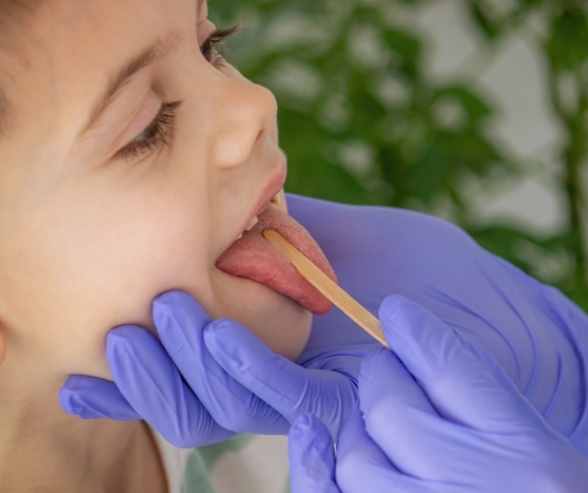

How Myofunctional Therapy Works
Myofunctional therapy uses guided exercises and daily practice to help retrain the muscles involved in breathing, swallowing, tongue posture, and lip function. Treatment is personalized to each patient's needs and focuses on developing healthier oral habits that can become more natural over time.
Consistent practice is an important part of treatment. By repeating specific exercises and applying healthy oral resting patterns throughout the day, patients can gradually improve muscle coordination and function.
What Therapy May Focus On
- Improving nasal breathing habits
- Developing proper tongue resting posture
- Encouraging a comfortable lip seal
- Improving swallowing patterns
- Strengthening and coordinating oral and facial muscles
- Reducing unhealthy oral habits
Who Can Benefit from Myofunctional Therapy?
Myofunctional therapy may benefit children, teens, and adults experiencing oral muscle or breathing-related concerns. Your dentist or another healthcare professional may also recommend therapy as part of a broader treatment plan.
Mouth Breathing
Chronic open-mouth breathing while awake or during sleep may be associated with unhealthy oral resting patterns. Therapy can focus on developing healthier nasal breathing habits.
Tongue Thrust
A tongue thrust occurs when the tongue presses against or between the teeth during swallowing. Myofunctional exercises can help promote a more functional swallowing pattern.
Snoring and Poor Sleep
Myofunctional therapy may be used as a supportive approach for patients with snoring or sleep-disordered breathing by encouraging healthier tongue posture and nasal breathing.
Jaw Tension or TMJ Concerns
Imbalances in the muscles of the face, jaw, and mouth may contribute to tension or discomfort. Therapy can help improve muscle coordination and function.
Speech Concerns
Some articulation challenges may be associated with oral muscle function or tongue positioning. Myofunctional therapy may be incorporated alongside other appropriate professional care.
Orthodontic Support
Developing healthier oral muscle patterns may complement orthodontic treatment by supporting proper tongue posture, swallowing, and muscle balance.
Benefits of Myofunctional Therapy
Myofunctional therapy is designed to help patients develop healthier and more functional oral habits. Depending on the individual's needs, treatment may support improvements in several areas.
- Healthier nasal breathing patterns
- Improved tongue posture
- More functional swallowing patterns
- Better lip and oral muscle coordination
- Reduced reliance on mouth breathing
- Support for improved sleep and breathing habits
- Improved oral comfort and muscle balance
- Support for orthodontic treatment and long-term stability
Every patient is different, so the goals and expected outcomes of therapy will depend on your individual oral function, habits, and treatment needs.
Start Myofunctional Therapy
If you or your child experiences mouth breathing, tongue thrust, snoring, poor sleep quality, jaw tension, speech concerns, or persistent oral habits, myofunctional therapy may be worth exploring.
At Harmony Smiles Orthodontics, we can assess your oral function and discuss whether myofunctional therapy may be appropriate for your needs. Our goal is to help you develop healthier habits that support better breathing, improved oral function, and long-term wellness.
Book a Free Consultation